Land and Water Conservation
Vision
Our community will ensure a healthy and resilient future by preserving the natural environment in harmony with sustainable development and economic opportunities. Strategic planning will aim to strengthen critical infrastructure and promote land use practices that protect our valuable environmental assets – clean air; safe and abundant drinking water; freshwater wetlands, salt marshes, and floodplains; river corridors, shoreland buffers, and stream crossings; and critical wildlife habitats and intact forests – while supporting appropriate community growth.
Sustainable land use practices will protect ecological, scenic, and recreational values, as well as improve economic prosperity. Through strategic conservation and land management, we envision a network of interconnected open spaces, a robust trail network, and a revitalized downtown riverfront that enhances our community’s character and well-being.
Purpose
The Newmarket Land and Water Conservation Chapter of the Master Plan was created by merging the most relevant components of the Town’s Open Space Plan (2024) and Water Resources Chapter (2020) into one succinct document and organizing its goals and recommendations to align with the five themes of the master plan. Integrating these two chapters allowed for a more robust discussion of Newmarket’s land and water resources, and the central role they play in contributing to the community’s identity by providing recreational, ecological, and engagement opportunities. Public input obtained during the engagement process helped to inform the chapter narrative and was used to confirm prior recommendations. The Open Space Plan and Water Resources Chapter, in their entirety, are attached as Appendices.
The Open Space Plan, which was originally developed in 2007, was updated in 2024 to serve as a guide to advance conservation and management strategies that promote resiliency, stewardship, and stability between the needs of the environment, wildlife, and the community. Additionally, the updated plan describes a vision of distinct and multifunctional open spaces that are secured and properly maintained to enhance the character and well-being of the community. The Water Resources Chapter was adopted by the Planning Board in 2001 and 2009. The 2020 update considers shifts in development patterns, increases in population, and impacts from changing climate conditions and reinforces the need to protect surface and groundwater resources, wetlands, floodplains, and protect against emerging threats to drinking water supplies.
Together, these two chapters outline a vision that seeks to balance the need for development with conservation efforts that protect essential habitats, reduce pollution, and promote responsible stewardship. Strategic land use regulations and policies are necessary to support growth, while preserving the Town’s natural assets and enhancing recreational opportunities through the expansion of parks and green spaces, trail connectivity and wayfinding, and access to waterways. Avoidance of wetlands and floodplains, as well as the restoration of stream crossings will preserve aquatic and upland habitat connectivity and support wildlife, biodiversity, and outdoor activities like hiking and fishing. Addressing climate vulnerabilities, protecting riparian buffers, and educating residents on the importance of protecting water quantity and quality will ensure the long-term sustainability of existing and future drinking water supplies.
The integration of the Open Space Plan and Water Resources Chapter into the Newmarket Land and Water Conservation Chapter provides a comprehensive framework to guide the community’s conservation efforts. Through strategic planning, public input, and careful consideration of emerging challenges, Newmarket can continue to foster a thriving, resilient landscape that balances ecological preservation, recreational opportunities, and responsible stewardship for future generations.
Each section below provides insights from data trends, key findings from community engagement, and sets forth goals and actions to help our community achieve its vision for the future.
Vibrancy
A vibrant community encourages outdoor recreation, promotes ecological stewardship, and actively engages the public in preserving local landscapes and waterways for future generations.
Newmarket’s land and water resources are central to our community’s identity. The town’s rivers, wetlands, uplands, and other open spaces offer opportunities for recreation, ecological stewardship, and public engagement. By enhancing access to open spaces, encouraging active participation and education in conservation efforts, and preserving the community’s natural assets, Newmarket can foster an even more vibrant, inclusive, and connected environment.
Findings from the 2023 Open Space and Housing Survey in Newmarket reveal that over half of respondents visit parks, recreation areas, and conservation lands at least weekly, underscoring the importance community members place on access to open space. Outdoor spaces that offer diverse recreational opportunities add to Newmarket’s vibrancy. We can increase community awareness of and deepen connections to Newmarket’s lands and waters through expanded offerings of workshops, field trips, educational and volunteer initiatives, and civic engagement. Investments in signage, wayfinding efforts, and infrastructure improvements will help ensure that these areas remain accessible and ecologically sustainable.
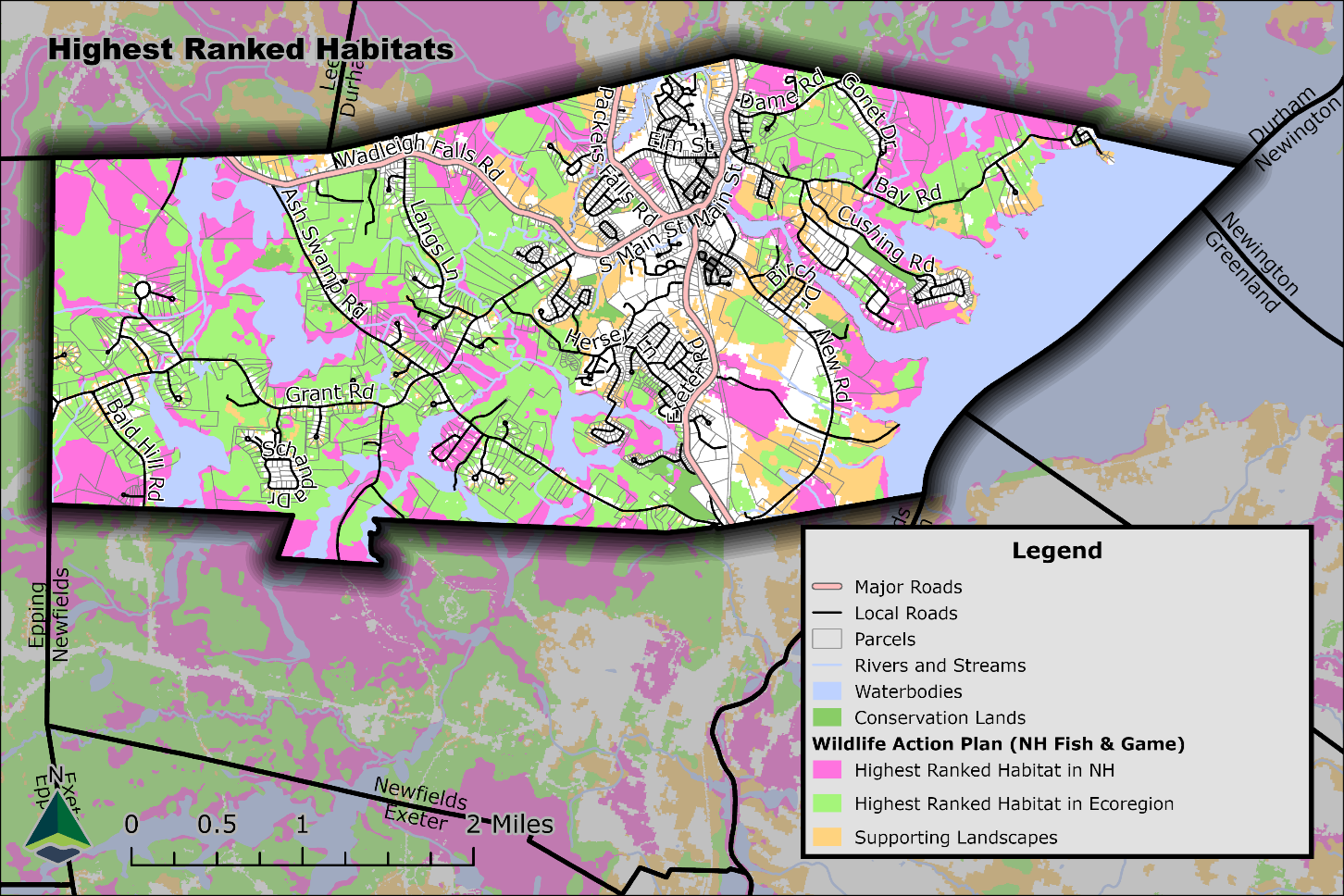
Outreach and education, paired with regulatory, zoning, and conservation tools, will encourage stewardship of our shared public assets. Conservation and stewardship of open spaces will maintain native plants and animals and their habitats, reduce erosion and pollution, protect groundwater recharge areas, and a host of other values, while also providing enriching outdoor enjoyment.
Vibrancy Goals:
- Enhance Public Engagement – Increase opportunities for residents to participate in water and land conservation through workshops, surveys, field trips and events, volunteer citizen science efforts, stewardship workdays, and more.
- Promote Recreation Areas – Expand and enhance recreational access to rivers, trails, and conserved areas to foster community and stewardship.
- Conserve Natural Resources – Protect the Great Bay Watershed, including the Wild & Scenic Lamprey River and its tributaries, and associated freshwater wetlands, salt marshes, and freshwater and tidal rivers.
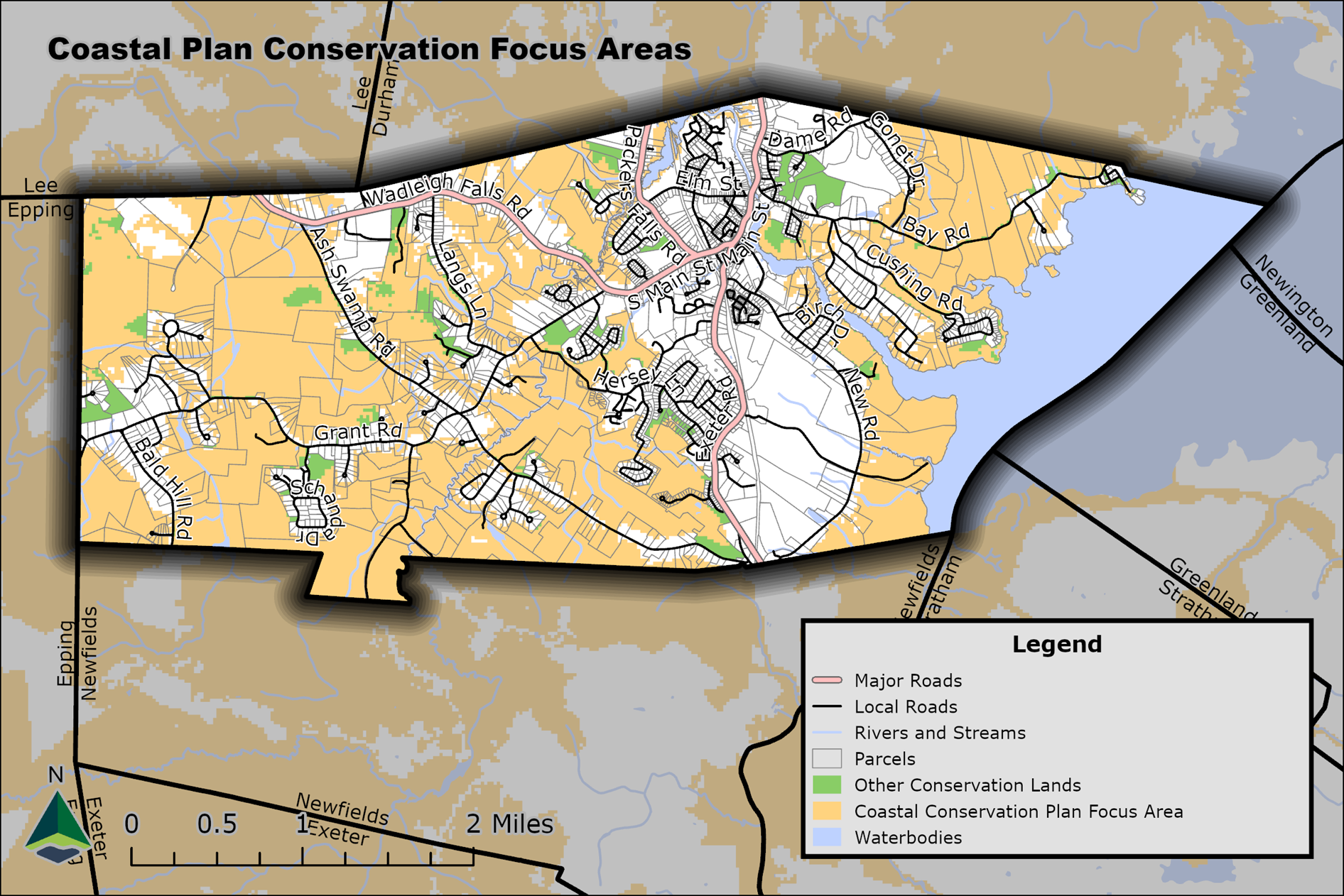
- Support Biodiversity through Conservation – prioritize habitat protection of conservation focus areas that benefit people and nature, strengthening community engagement and stewardship.
- Protect Drinking Water – protect existing and future drinking water supplies
- Enhance and Maintain Flood Storage Capacity – protect floodplains, wetlands, and shoreland buffers.
Connectivity
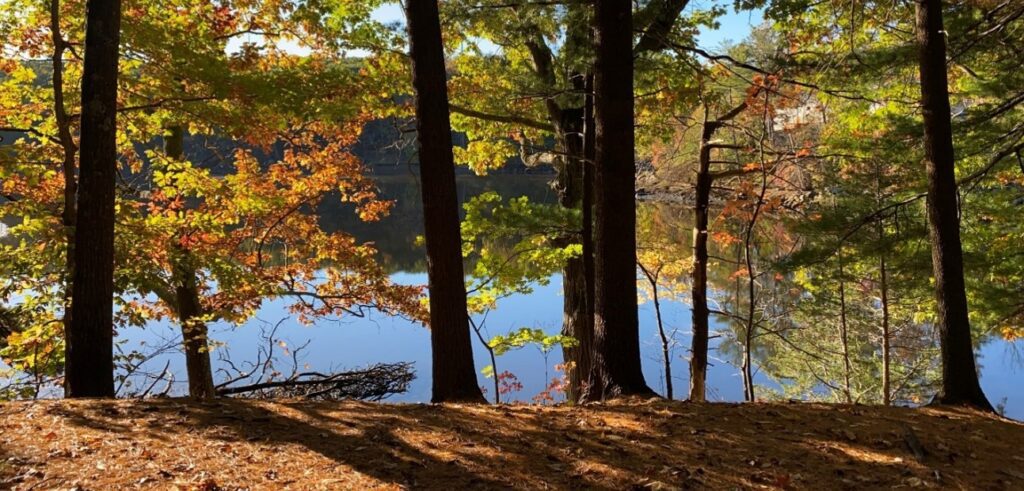
Aquatic connectivity is essential for maintaining the ecological health and resilience of our waterways. Restoring stream crossings and improving culverts not only supports biodiversity but also enhances public safety by reducing flooding risks. Preserving riparian buffers along the Lamprey and Piscassic Rivers will help protect water quality and prevent erosion while ensuring these natural corridors continue to serve as vital links for wildlife and recreation. Green infrastructure, including rain gardens and permeable pathways, can also play a crucial role in improving aquatic and natural connectivity, mitigating stormwater runoff, and enhancing water quality.
Connectivity Goals:
- Promote Wildlife Corridors – Maintain connectivity between habitats by preserving natural spaces.
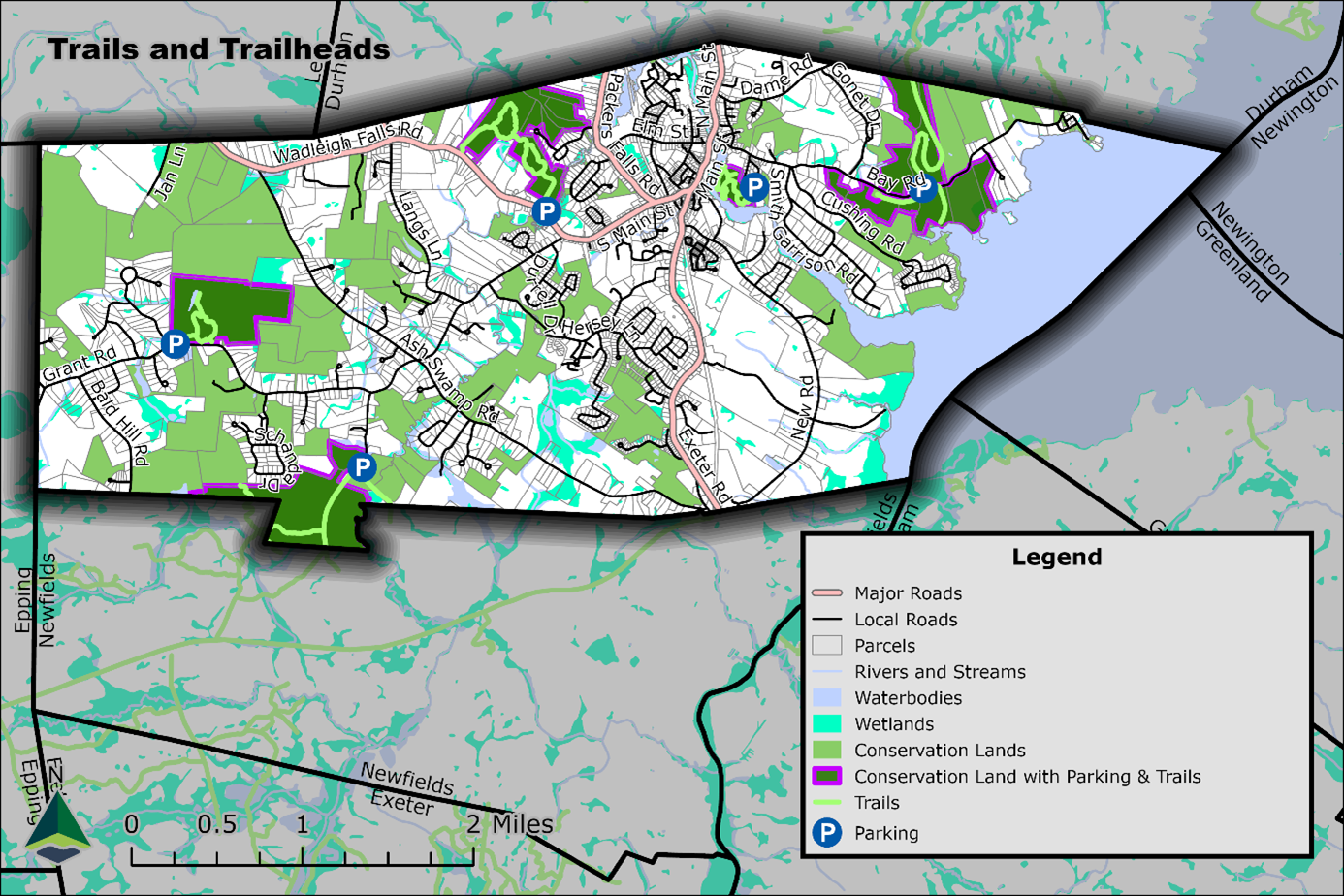
- Expand Trail Networks – Develop trails and interconnections between trail systems that link built and natural assets in Newmarket and surrounding communities.
- Improve Aquatic Crossings – Restore stream crossings to support biodiversity and reduce flooding risks, which will also improve public safety.
- Protect Connectivity between Surface and Groundwater – protect wellhead areas and stratified drift aquifers to ensure healthy and abundant drinking water supply.
Accessibility
An accessible community provides recreational and open spaces, such as parks, conservation lands, and waterways, that are designed to be inclusive, welcoming, and available to people of all abilities.
As an accessible community, we want to ensure that all residents benefit from Newmarket’s lands and waters, including access to recreational opportunities, safe transportation options, and outdoor public spaces. By incorporating universal design, improving trail and sidewalk connectivity, and ensuring open spaces remain available to people of all abilities, we can foster inclusive and enriching outdoor experiences.
Improving and promoting access to public waterways and natural areas will encourage broader community engagement and support for stewarding these public spaces and assets. Investments in alternative transportation options that connect key recreational and natural areas will help ensure that residents without personal vehicles can access these open spaces. Clear and easily accessible information about trails, conservation efforts, water quality, and outdoor activities helps ensure that the community can fully engage with and appreciate Newmarket’s natural resources. Creating fishing piers, developing accessible docks, and creating improved signage will enhance access to water-based recreational opportunities for all.
Access to safe and abundant drinking water is an essential benefit available in our community. This requires continued education and awareness about reducing erosion, pollution, and stormwater runoff from land into waterways and groundwater recharge areas. This will ensure that we can protect and maintain this vital resource for all residents.
Accessibility Goals:
- Develop Inclusive Open Spaces – Develop accessible parks and trails and upgrade infrastructure for safe and accessible access to natural and recreational assets.
- Enhance Water Resource Education – Promote outreach and information about conservation, environmental stewardship, and water quality.
- Increase Access to Waterways – Invest in improvements to infrastructure to strengthen recreational use accessibility.
Affordability
An affordable community is one were residents have access to housing and economic opportunities based on sustainable development patterns and practices that allow growth, while preserving natural resources and infrastructure that benefit all residents.
Available land in Newmarket holds immense value for both conservation and development, as it serves as a critical resource for preserving biodiversity and ecosystem services, while also enabling economic growth and meeting the housing demand. Balancing these two uses, as to not disrupt general supply and demand principles that can drive up costs, requires thoughtful and intentional planning that integrates conservation with strategic housing and economic development initiatives. Policies that encourage mixed-use zoning, conservation-minded approaches, and sustainable practices will support long-term affordability while preserving the town’s character. By prioritizing strategic land use planning, leveraging local natural assets for economic benefit, and strengthening regional collaborations, Newmarket can ensure that affordability remains a central focus.
Conservation-based economic development offers an opportunity to enhance affordability while supporting the local economy. Ecotourism initiatives that leverage Newmarket’s natural resources can create jobs, attract visitors, and generate revenue for local businesses, all while promoting sustainability and resource preservation. Additionally, supporting local food production and other farm-to-table initiatives such as farmstands, community gardens, and community-supported agriculture can strengthen the local economy while preserving the town’s character. A local economy can thrive through conservation. ensuring that economic growth supports the community without causing negative environmental impacts.
Public parks, conservation lands, and outdoor spaces that are easily accessible allow all residents to enjoy the town’s natural resources. Expanding trail networks, public water access points, and green spaces near residential areas will provide more opportunities for outdoor recreation while maintaining both affordability and accessibility.
Partnerships with regional, state, and federal agencies, as well as nonprofit organizations and conservation groups, can expand opportunities for community investment and resource protection. These partnerships can provide financial and technical assistance to help Newmarket implement land use strategies, conservation programs, and economic initiatives focused on affordability. Extending these partnerships to include knowledge sharing, research collaboration, and resource management strategies will further enhance the town’s ability to maintain affordability while preserving its natural assets. Additionally, leveraging public-private partnerships by fostering relationships with private-sector partners and local businesses can bring in extra resources and innovative solutions.
Affordability Goals
- Incorporate Sustainable Land Use Changes – balance development, housing, open space, and conservation in strategic ways that ensure affordable and healthy living options.
- Encourage Conservation-based Economic Development – explore pathways to support the local economy with eco- or agritourism that benefit the community.
- Develop and Expand Conservation Partnerships – collaborate with regional, state, and federal partners, organizations, and agencies to expand opportunities for community investments.
Resiliency
A resilient community works collaboratively with regional partners and neighboring communities to build sustainable infrastructure, maintain healthy ecosystems, and protect air and water quality, all to withstand and recover from the shared challenges of changing environmental conditions.
Changing and unpredictable environmental conditions requires us to incorporate resiliency and ruggedness into our built and natural infrastructure. Newmarket can strengthen its ability to withstand and recover from future adversity by developing climate adaptation strategies, protecting critical lands, as well as surface and groundwater resources, maintaining critical infrastructure, and engaging in ecosystem restoration efforts.
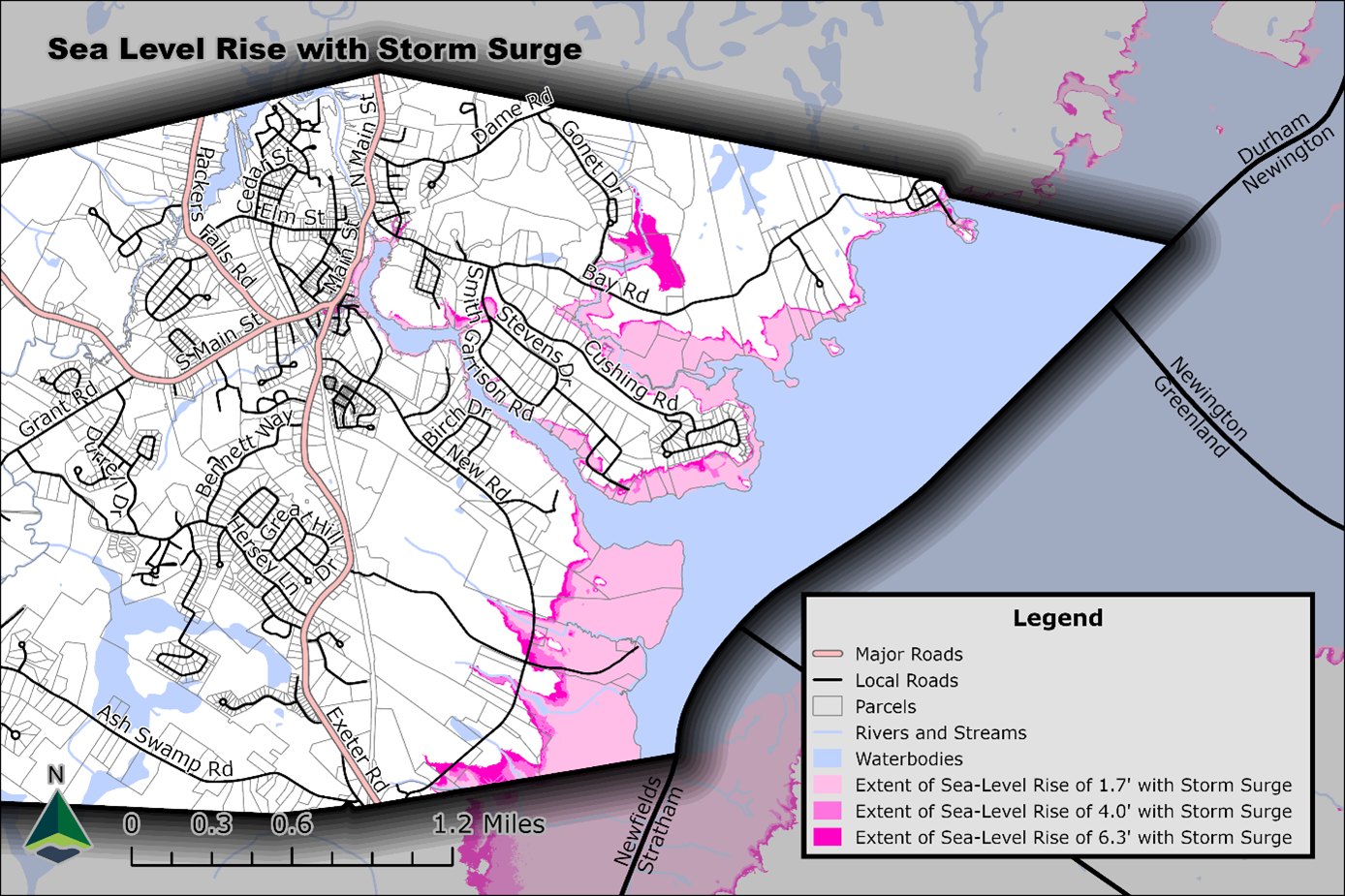
Preserving wetlands and floodplains is essential for mitigating the impacts of flooding and maintaining biodiversity and ecological health. Restoring ecosystem function, includes re-building better stream culverts, improving aquatic habitat, reducing flood damage, and improving public safety along roads. These efforts, along with education, careful planning, and conservation of wetlands, riparian areas, and other natural areas are valuable tools in building resilience in our community.
Threats to existing and future drinking water supplies, such as prolonged periods of drought, increases in demand, emerging contaminates, changes in land use, and rising groundwater levels, poses new and complicated challenges that will need to be addressed through appropriate regulatory mechanisms, outreach, and infrastructure investment.
Climate strategies that incorporate regular assessments of the community’s vulnerabilities and the risks associated with extreme weather will guide future planning decisions and community investments. Developing local policies based on these assessments will help ensure that the community’s decisions are well-informed, and that the town is prepared to withstand changes or challenges. Collaborating with neighboring communities to address the impacts of increased flooding, water supply issues, water infrastructure needs, and other water management challenges is a key component of building local and regional resiliency.
Resiliency Goals
- Develop and Implement Climate Strategies – develop regular assessments of community vulnerability to aid in future planning and investments.
- Preserve Wetlands and Floodplains – develop plans and actions to protect these natural areas to enhance ecological resilience and mitigate flood risks.
- Regional Water Management Collaborations – work with other communities on regional efforts to address shared challenges with water resources.
- Ecosystem Restoration – develop projects that strengthen natural areas and resources.
- Protect Long-Term Drinking Water Supplies – ensure quantity and quality of drinking water sources are protected through environmentally sensitive land use regulations.
Appendix
This chapter does not have an appendix.